



AARP Hearing Center
























































Rob Dobi
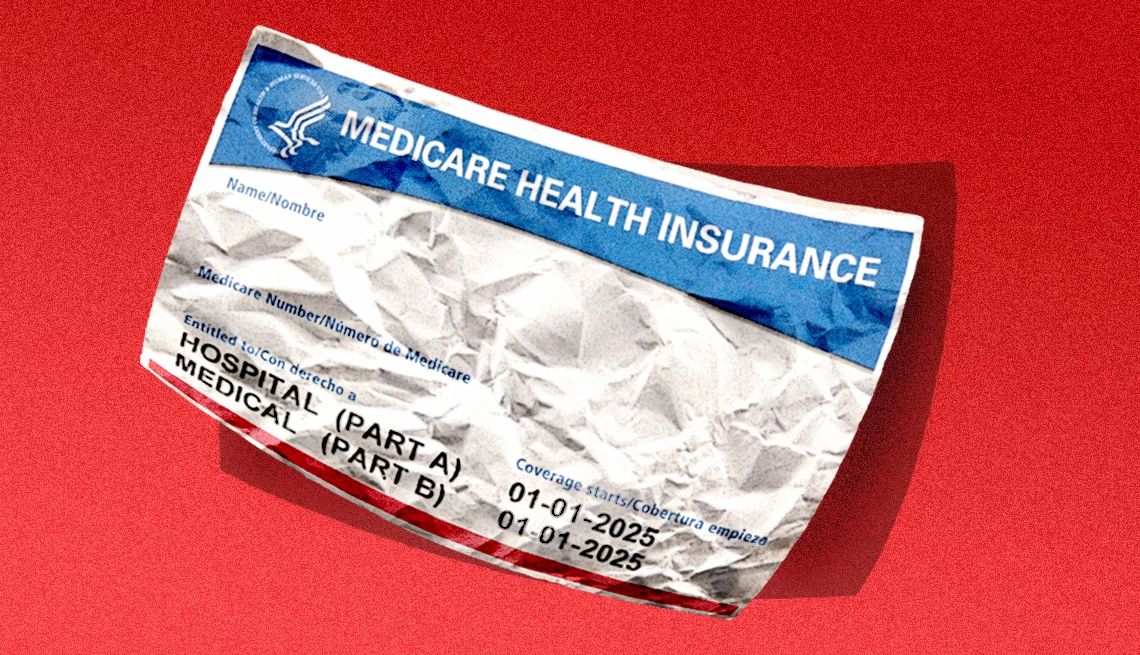
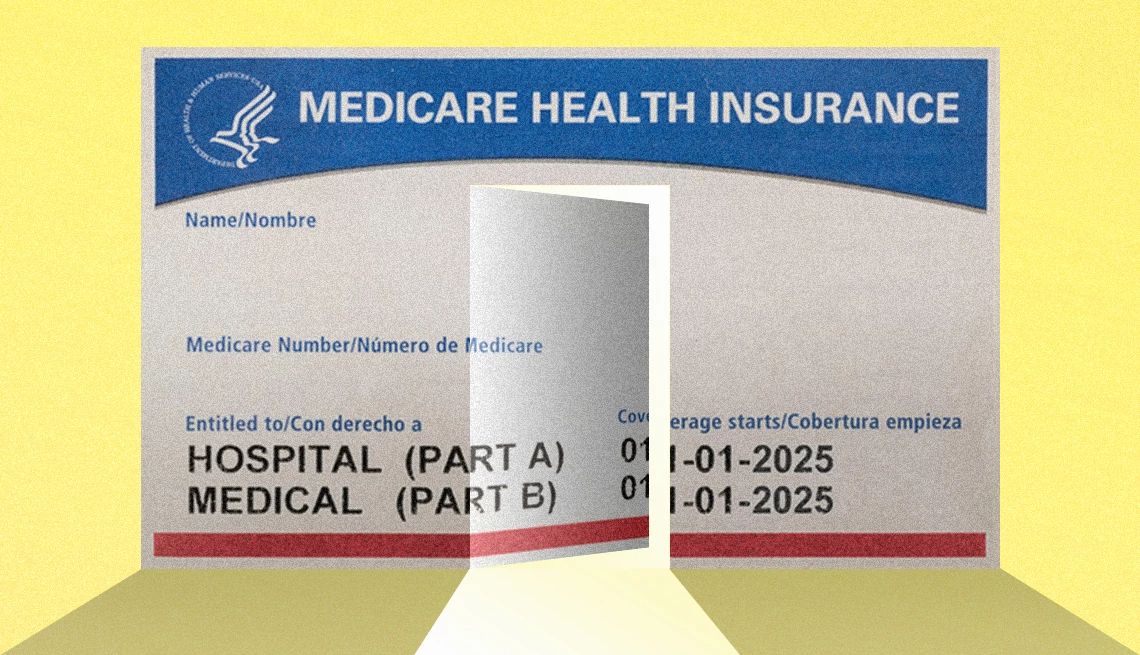
Most people who enroll in Medicare Part B, which covers doctor visits, diagnostic tests and other outpatient services, pay a standard monthly premium, $202.90 in 2026.
But if your household income is above a certain amount, like around 8 percent of people with Part B, you’ll have to pay more than the basic monthly fee. If the government says your monthly tab is going to be higher, you have ways to appeal that decision.
The added charge, known by the acronym IRMAA for income-related monthly adjustment amount, was included in the 2003 Medicare Modernization Act, designed to help stabilize the program financially.
“The idea is that people with higher levels of income should be paying more,” says Alex S. Seleznev, a Washington-based wealth management specialist and certified financial planner.
CMS determines each year how much higher-income Medicare recipients will have to pay. The Social Security Administration (SSA) figures out who must make those added payments.
The added charge is based on your modified adjusted gross income (MAGI), which is total adjusted gross income plus any tax-exempt interest reported on your federal 1040 tax form. For example, individuals with annual incomes higher than $109,000 are subject to a higher premium in 2026 while the income threshold for joint filers is $218,000.
Here’s the tricky part: The SSA doesn’t use your most recent tax return to figure out whether you have to pay higher premiums. It looks back two years. That means the income on your 2024 tax return — filed in 2025 — determines what you’ll have to pay in 2026.


More From AARP
How Inflation Can Affect Medicare Premiums in 2025
Explaining Part B’s premium calculations, reductions7 Medicare Changes You’re Seeing in 2025
Have expensive meds? A first-of-its-kind cap on out-of-pocket spending for prescriptions will take effect. Caring for a loved one with dementia? A supportive family caregiving program is expected to quadruple. Take a closer look at how Medicare is changing next year.
How I Saved $4,400 in One Day
And how you can save, too, based on what I learnedRecommended for You