Q&A Ellen Burstyn
“MY RECIPE FOR HAPPINESS IS TO MAKE MONEY AT SOMETHING I’D DO FOR FREE.”
—OSCAR-WINNING ACTOR ELLEN BURSTYN, 93, ON THE MOVIES THAT MADE HER AN ICON, HER LOVE OF POETRY AND THE IMPORTANCE OF LAUGHTER
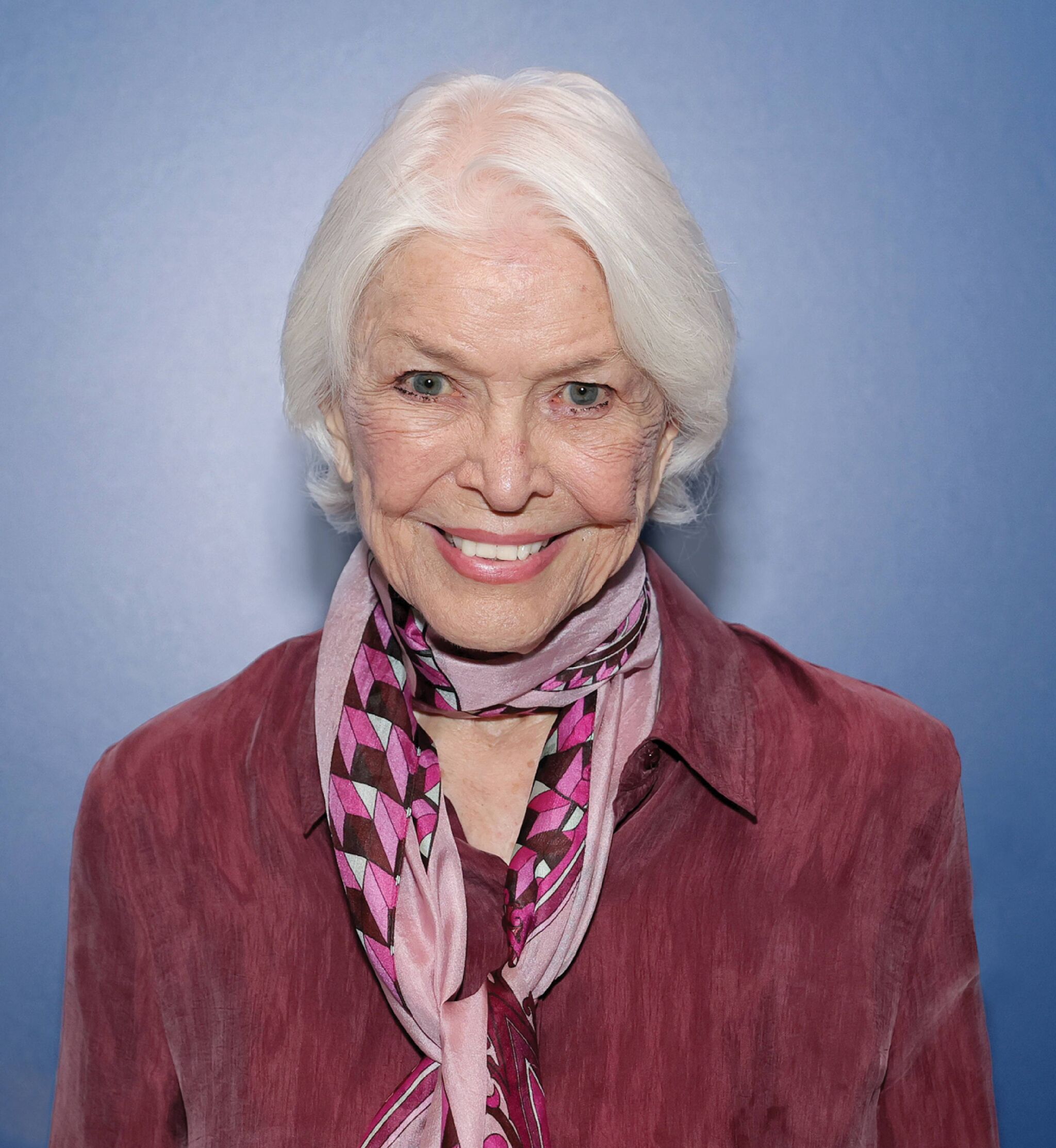
You have won an Emmy, a Tony and an Oscar. What would you still like to achieve?
I’ve written this new book [Poetry Says It Better: Poems to Help You Wake Up] hoping to introduce poetry to people who don’t read it. I feel like they’re missing out on something that’s nourishing spiritually and intellectually. So I wrote it with those people in mind. Poetry speaks to the heart in a way that I don’t know that anything else does for me.
How has the world changed since you began working in the late 1950s?
Women have their own lives now, their own abilities and their own way to fulfill their lives. We’re separated from the patriarchy a bit, enough for us to be heads of corporations or pilots or to go to the moon. It wasn’t like that in the 1950s. There weren’t many women directors or women producers. Men owned the world. That’s changed.
You are still working at 93. Any tips for readers who want to keep going that long?
I did everything unhealthy and bad for me for about 40 years of my life. And then, one by one, I gave up my bad habits. Smoking was the big one. That was hard. Then alcohol, which was relatively hard. My last vice to let go of was a little marijuana. I eat very healthy. I exercise. I walk my dog in the park.
How have you achieved a nearly seven-decade career in films?
I just did a film in Australia with Taika Waititi—he’s a writer, director, actor and comedian—which will be out this year, I hope. When I was shooting this film, doing 12-hour days, my assistant said, “How are you doing this?” The answer: I like my profession. My recipe for happiness is to make money at something I’d do for free.
The Exorcist, which came out in 1973, was the first horror film nominated for an Oscar for best picture. Were you surprised?
It was a best-selling book when it was made into a film. I had high hopes for it, but I remember the day it opened: I was in Los Angeles and it opened worldwide, and I was in the kitchen, and there were shots of people [on television] standing in line in a snowstorm for four hours, waiting for the movie to open. I remember the first time I saw it with an audience. Billy [director William Friedkin] and I were sitting together, and the first scary moment is when I, with a candle, go up into an attic, and there’s this scary sound. And the audience laughed. I later read that when people get scared, they often laugh to resettle. And that’s what happened. From that point on, the audience became like a unit, like they were in this together. It was quite an experience for me.
The 1974 movie Alice Doesn’t Live Here Anymore was a trailblazing film for women. Did you realize that during filming?
It’s what I hoped for. I wanted it to be a film about a woman who is like the women I knew—and myself, for that matter: working and raising a child by themselves. Women could say, “It’s my life; it’s not some man’s life that I’m helping out with.”
What was it like to work with Martin Scorsese on that film?
It was so wonderful working with him. He does this thing, which is, at the end of the day, he takes the scene that we are shooting the next day and rehearses it. Not for the camera, just for the acting. And that’s when we find out what’s hidden in those words we speak.
You worked with Jack Nicholson in 1972 in The King of Marvin Gardens. How was that?
First of all, he’s a brilliant guy. I loved working with him. Just loved it. He has a level of reality about him when he is acting that is beyond anybody. About a year ago, I worked with someone who was close to him, and this person told me that when she told him she knew me, he said, “Now, there’s a broad.” I thought, Thank you. That’s a good compliment.
You have laughed a lot on-screen. Is that true in your life?
Oh, yes. Laughter does something physically as well as spiritually and emotionally and intellectually for you. I wouldn’t know what to do if I didn’t have laughter in my life.
Go to aarp.org/ellenburstyn or click here to find more about Ellen Burstyn and watch a video of this conversation.