Your Health
WHY AREN’T I HUNGRY?
Appetite often wanes with age, but eating too little can harm your health. Here’s how to get the nutrition your body needs
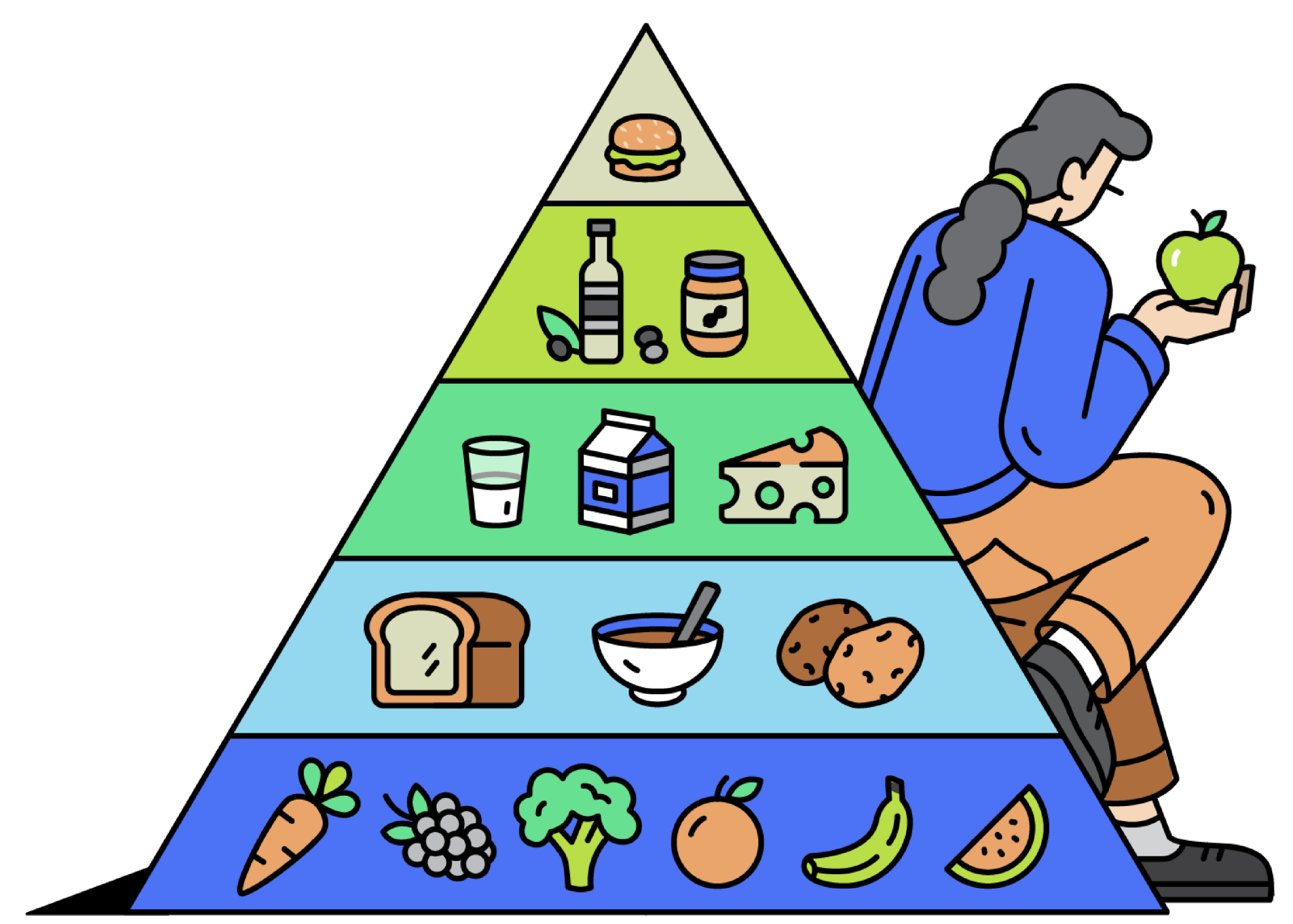
Remember when a trip to the ballpark meant two hot dogs? When you happily ran roughshod over the all-you-can-eat pasta bar?
For many of us, those days are in the past.
“Appetite changes as we get older,” says Cary Kreutzer, director of the master of science program in nutrition, health span and longevity at the USC Leonard Davis School of Gerontology in Los Angeles. “It happens to all older adults; it’s just a matter of when.”
But appetite is, in many ways, a measure of overall health. If yours is flagging, here’s what you need to know—and what you need to do.
WHY YOU’RE EATING LESS
Appetite is a complex system of physical, emotional and even social factors, and a number of things can cause it to wane over time:
Your digestive system is changing. A reduction in the hunger hormone ghrelin and changes to the hormone leptin, which regulates satiety, can affect your hunger cues. “We may not get that hunger sensation like we used to,” says Kreutzer. In addition, she says, muscles throughout the gastrointestinal tract begin to slow, delaying gastric emptying (the movement of food through your digestive system), leaving you fuller for longer.
Your taste buds are dimming. When you were younger, seeking out food for pleasure was driven, in part, by up to 10,000 taste buds. With age they decrease in number and start to shrink, making you less apt to detect the sweet, salty, sour, bitter and umami (“meaty”) notes in foods after age 60. A decade later, your sense of smell can diminish, too, due to a decline in nerve endings and reduced mucous production in your nose. The result: Food—even the stuff you’ve always loved—tastes bland and less appealing.
Muscle mass is declining. Age-related muscle loss sets in starting in our 30s; by age 70, the average person has lost half their muscle mass. “Your body won’t crave as many calories when you don’t have to power dense muscle mass,” says Jen Bruning, spokesperson for the Academy of Nutrition and Dietetics in Chicago.
You may have dental issues. Tooth loss, sensitivity and reduced saliva production can make swallowing more of a chore. This affects appetite, says Kreutzer. If eating is a pain, you’re more apt to avoid it.
Inflammation is on the rise. Chronic inflammation naturally increases as we get older, playing a role in numerous health issues and, yes, reducing hunger.
“Table for one” isn’t always appealing. One out of 3 adults ages 50 to 80 said they felt a lack of companionship sometimes or often, reported a study in JAMA. That can affect your drive to eat, says Kreutzer.
LESS NUTRITION, MORE PROBLEMS
These assaults on your appetite can mean you’re getting less nutrition to fuel your body—one reason that less than half of older adults meet the requirements for a healthy diet, skimping in particular on vegetables, fruits, dairy and protein overall, according to data from the U.S. Department of Agriculture (USDA). “In many instances, older adults are not getting enough nutrition to sustain themselves in a way they can thrive,” says Bruning.
More than that, older adults whose appetites lag are more likely to have poor physical performance and functional limitations, especially if they’re also losing weight. Kreutzer describes this as a domino effect: “Loss of appetite leads to loss of weight. That leads to loss of muscle mass, which increases your risk of frailty, disease and loss of energy.”
Perhaps one of the biggest risks is falling, the leading cause of injury and death among older adults. Muscle loss itself is also dangerous over time, as the more muscle you have, the healthier your immune system.
STRENGTHENING YOUR HUNGER SIGNS
Your appetite is ever-shifting, but it’s worth trying some strategies to get it back on track, prioritize nutrient-dense foods and continue to eat the things you enjoy.
Maintain your weight. “While some individuals may benefit from weight loss, in general I don’t recommend people over 70 try to lose weight,” says Kreutzer. Weight loss typically brings with it not just fat loss but also a loss of muscle. You should weigh yourself regularly, she advises, but with the goal of maintaining your weight.
Eat regular meals. Kreutzer recommends keeping to a schedule of three meals a day, even if you have trouble eating as much as you once did. “I saw my mom’s health decline as she got older,” she says. “She had no appetite. Other than dinner, she didn’t sit down for meals.”
Stack your snacks. If sitting down to a meal seems overwhelming and you prefer to graze, it’s important to make those snacks work harder: Opt for foods high in fiber, protein, healthy fats and other nutrients. Pair fruit with cheese or peanut butter, or buy a tub of tuna or chicken salad at the deli counter and scoop it up with whole-grain crackers. Guacamole, hummus and bean dip are other high-nutrition snack options, especially when paired with fruits or vegetables, adds Romy Nathan, a registered dietitian in Vienna, Virginia, specializing in adult nutrition, including weight management.
Add protein. “Protein is one of our best defenses against muscle loss,” says Bruning. According to USDA research, only about 50 percent of men and 30 percent of women over 71 get enough of it. Most older adults can meet their needs for proper muscle and bone maintenance, immune system health and mobility by consuming 25 to 30 grams of protein at every meal.
A standard-size serving of steak, chicken or fish will hit that number, but you can also get protein in other ways, says Kreutzer. For example, add an egg white to pancake mix for about 4 grams of protein—and extra fluffiness. Pair Greek yogurt with a piece of coffee cake. Stirring protein powder into milk, blending it into a smoothie or adding collagen powder to coffee (it will dissolve) are other ways to up your intake. Ultrafiltered milk has 50 percent more protein per serving than standard milk; use it to make oatmeal or enjoy it as a drink (even chocolate milk!). And premade protein drinks are always an option. If you find this protein quota out of reach, ask your doctor to recommend a dietitian or go to eatright.org/find-a-nutrition-expert to find one near you.
Keep moving. Physical activity boosts your metabolism and your appetite. Plus, combining protein intake with exercise is the most efficient way to promote muscle growth. “If you’re not already active, plan out how you can safely be active in the day,” says Bruning. “Rather than trying to put all the onus on How can I eat more? the focus becomes How can I want to eat more?”
Prep food for the week. Try cooking a meal, then dividing it up into individual storage dishes to keep in the fridge or freezer so you have balanced, nutritious heat-and-eat meals at the ready. Slow-cooking foods can help stimulate an appetite as the aroma fills your home, says Kreutzer.
Try new foods. Changes in taste may lead you to discover and delight in different flavors. “This could be a time in your life where you discover new things you didn’t think you liked before,” says Bruning.
Seek help for your mood, if needed. Talking to someone about how you’re feeling may have unexpected benefits for your appetite. And if you feel lonely or not connected to others, consider participating in local events like cooking classes, outdoor and exercise activities, and luncheons and dinners. Participating in social activities has been shown to improve appetite and decrease symptoms of depression.
Drink up. Thirst and appetite are like two peas in a pod. “Fill up two big 1-liter bottles of water. Keep them in places you spend time, such as a chair by the TV, so you’re reminded to drink,” says Kreutzer. You can add sliced fruit or a sugar-free flavor packet to it to make sipping more appetizing.
Keep an eye on sudden changes. Appetite varies day to day, but if there is an unexplained difference in hunger that lasts more than a week, make an appointment with your doctor to rule out an underlying illness. Similarly, if you’ve noticed that your loved one’s clothes look a bit looser on them, urge them to see a doctor too.
Jessica Migala writes on health and nutrition for Cosmopolitan, Prevention and other publications.
Visit aarp.org/howmuchshouldyouweigh if you are concerned about your weight.