Your Health
ASK DR. ADAM
A top internist and cardiologist answers your questions with surprising doctor-tested tips
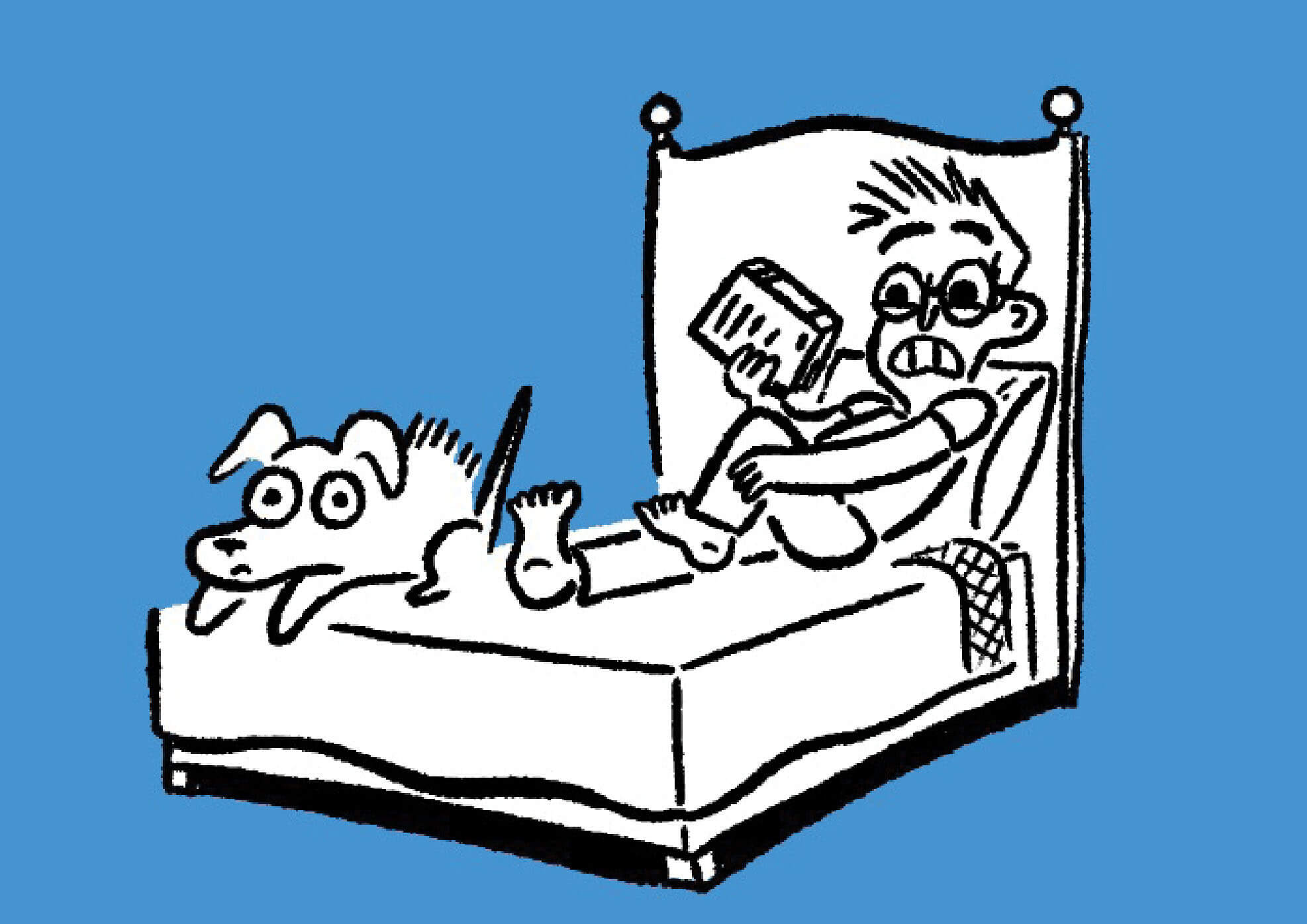
“What can I do to ease leg cramps?”
Dr. Adam: One common cause of cramping is dehydration. Even a mild case can mess with your body’s delicate balance of minerals. Potassium, magnesium and sodium, which can occur naturally in drinking water, are essential to keeping our muscles working properly. If you’re not drinking enough fluids, an imbalance can interfere with the signals telling your muscles to relax, leading to involuntary muscle contractions and cramps.
Some medications—diuretics, statins and certain asthma or Parkinson’s drugs—contribute to cramping. If you’ve started a new medication and the cramps kicked in soon afterward, that could be the link.
Oddly, too much or too little physical activity can bring on cramping. Extreme exercise, or even long walks or gardening, can tax the leg muscles. On the flip side, being sedentary for extended periods can cause muscles to shorten and spasm, especially when you finally stretch out. Being overweight increases the chance of getting cramps too.
Now for the good news. In many cases, there are a few ways to prevent leg spasms. If you get cramps while in bed, gently stretch your calves and hamstrings before you tuck in. Daily stretching has been shown to reduce nighttime leg cramp frequency and intensity in older adults. (Visit aarp.org/stretch-video for a guided stretch routine.)
Stay hydrated. It’s a good idea to sip water throughout the day, even if you’re not thirsty. This is especially important if you drink alcohol, as it is dehydrating.
Speak with your doctor about your medications. There may be alternatives or adjustments that can be made.
Finally, when a cramp strikes, you could apply a warm compress or take a hot shower to loosen those leg muscles. But no matter how severe the cramp is, be careful! The last thing anyone wants is a fall.
If leg cramps are persistent or paired with swelling, weakness or numbness, talk with your doctor. In any case, you don’t have to suffer in silence or lose sleep. Know the cause, take control and keep moving.
“Is dental health important?”
Dr. Adam: The mouth is one of the most critical gateways to overall health. How we care for it can have substantial consequences on our overall aging.
As we grow older, there’s an increased risk of gum disease, dental decay and tooth loss. When teeth are lost, it affects the foods you’re able to enjoy, your nutrition and your social life.
Poor dental health has been linked to heart disease, stroke, complications from diabetes, respiratory infections, worsening rheumatoid arthritis and frailty. In rare cases, germs from the mouth can travel and infect the inner lining of the heart.
Scientists believe chronic inflammation in the mouth may increase Alzheimer’s risk the way it increases cardiovascular risk, by driving inflammation system-wide over time.
Many people avoid going to the dentist because they dread the experience. Dentists today are aware of those fears and use techniques and technologies designed to make treatments far more comfortable. Choose a dentist who is willing to be a partner on your wellness path. And always let your dentist know the medications you are taking. Certain drugs that older adults are commonly prescribed, such as those for bladder control, blood pressure, allergies or pain, can contribute to dry mouth. When there’s less saliva to protect teeth, decay can accelerate.
And follow the 2-2-2 rule: Brush your teeth twice a day with fluoride toothpaste for two minutes and see a dentist twice a year. Floss once a day using dental floss or a water flosser. See your dentist if flossing or brushing causes your gums to bleed. Eat a well-balanced diet and quit smoking if you smoke, as it increases your risk of gum disease.
Your mouth matters. Make it a priority.

Adam B. Rosenbluth, M.D., practices and teaches in New York City. Each Monday online, he answers your questions about how to make your body work better for you.
WANT MORE DR. ADAM?
Go to aarp.org/AskDrAdam
Go to aarp.org/MembersEdition for more advice on living better.
Great Ways to Save on Home Fixes
25 preventive repairs to avoid costly bills later. aarp.org/HomeFixes

Condolences in the Digital Age
Sage advice on how to offer sympathy today. aarp.org/ModernManners
I’m Worried About My Friend
Her new partner feels a bit too controlling. aarp.org/IntheMood